
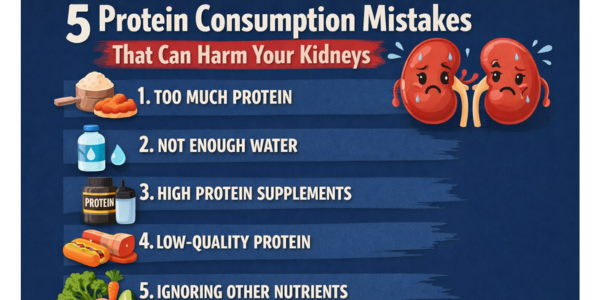
5 Protein Consumption Mistakes That Can Harm Your Kidneys
Protein is essential for building muscles, repairing tissues, and supporting overall health. However, consuming protein incorrectly can put unnecessary strain on your kidneys, especially if you have pre-existing kidney conditions.
Protein is vital for a healthy lifestyle, but balance and awareness are key. Avoid these common mistakes to protect your kidneys while still reaping the benefits of protein-rich foods.
How Protein Impacts Your Kidneys and Overall Health
Protein is one of the most essential nutrients for the body. It provides energy, boosts metabolism, aids fat burning, and supports muscle growth. Without enough protein, your body may struggle to gain weight, perform high-intensity workouts, or maintain muscle mass. In such cases, the body starts breaking down stored energy, which can lead to muscle loss and put extra strain on vital organs like the heart.
However, consuming protein incorrectly—especially in excess or from low-quality sources—can harm kidney function over time. Common mistakes include:
-
Excessive Animal Protein Intake: Overloading on meats, eggs, and dairy can make the kidneys work harder to filter nitrogen, a byproduct of protein metabolism.
-
Relying on Low-Quality Protein Sources: Protein from heavily processed foods or supplements may lack essential nutrients, causing imbalances in your diet.
-
Neglecting Other Nutrients: Focusing only on protein while ignoring carbs, fats, vitamins, and minerals can negatively affect overall health and kidney function.
Balancing protein intake with high-quality sources like lean meats, fish, eggs, legumes, and nuts—along with a varied diet—can maximize health benefits while minimizing kidney stress.
Common Protein Consumption Mistakes That Can Harm Your Kidneys
However, consuming protein improperly can stress the kidneys, potentially leading to dehydration, kidney stones, or chronic kidney disease. Dr. Ha Tuan Hung, Deputy Head of the Nephrology – Dialysis Department at Tam Anh General Hospital in Hanoi, explains that the following common protein consumption mistakes can silently place a burden on the kidneys:
1. Excessive Protein Intake
Overeating protein—especially from animal sources—forces the kidneys to work harder to process nitrogen, a byproduct of protein metabolism. Over time, this extra workload can impair kidney function.
2. Relying Heavily on Low-Quality Protein
Processed meats, protein powders with additives, and other low-quality protein sources may lack essential nutrients and overload the kidneys with unnecessary waste.
3. Neglecting Hydration
High protein diets increase the need for water. Without adequate hydration, the risk of kidney stones and dehydration rises.
4. Ignoring Dietary Balance
Focusing only on protein while neglecting other nutrients like carbohydrates, healthy fats, vitamins, and minerals can harm overall kidney health.
5. Disregarding Pre-existing Kidney Conditions
Even moderate protein intake can be risky for individuals with reduced kidney function. Ignoring medical advice can accelerate kidney damage.
Protein is vital for energy, muscle growth, and overall health—but balance is key. By avoiding these common mistakes, you can enjoy the benefits of protein without putting your kidneys at risk. Incorporate a variety of high-quality protein sources, stay hydrated, and consult a healthcare professional if you have kidney concerns.
Here are five common protein mistakes to avoid:
1. Overconsumption of Animal Protein
Consuming excessive amounts of protein-rich meats over extended periods can place significant stress on the kidneys. The kidneys must work harder to process nitrogen, a byproduct of protein metabolism, which can lead to dehydration, frequent urination, and an increased risk of kidney stones. Diets high in animal protein but low in vegetables can also contribute to constipation, due to the lack of fiber.
Recommended Intake:
According to the American College of Sports Medicine (ACSM), maintaining a balanced diet is essential. Adults should aim for approximately 0.5–0.8 grams of protein per 0.45 kg of body weight—around 75–120 grams per day for a person weighing 68 kg.
The American Heart Association (AHA) advises limiting daily intake of lean meat to 155 grams, spread across four to five meals per week, while also reducing red meat, saturated fats, sodium, and sugar.
Tip: Combine animal protein with plant-based foods such as vegetables, legumes, and whole grains to ensure fiber intake, reduce kidney stress, and support overall health.
2. Relying on Low-Quality Protein Sources
Not all protein is created equal. Protein from low-quality sources, such as processed meats, canned foods, and items with preservatives, can increase sodium intake and place extra strain on the kidneys. These foods often contain high levels of salt and additives, forcing the kidneys to work harder to filter out waste.
Processed meats may be rich in protein, but if consumed excessively, they can contribute to kidney function decline, particularly in individuals with pre-existing kidney conditions or those advised to monitor protein intake.
Healthy Alternatives:
The American Heart Association (AHA) recommends choosing minimally processed, high-quality protein sources such as:
-
Fish and seafood
-
White meat like chicken or turkey
-
Nuts and seeds
-
Legumes (beans, lentils, chickpeas)
These options are lower in saturated fat and sodium compared to processed or red meats, while still providing essential protein to support muscle growth and overall health.
Tip: Incorporate a mix of plant- and animal-based proteins to reduce kidney stress and promote a balanced diet.
3. Imbalance of Protein and Other Nutrients
The body can only effectively absorb about 20–25 grams of protein per meal. Consuming protein beyond this amount often results in the surplus being metabolized or excreted, which increases the workload on the kidneys over time.
Dr. Ha Tuan Hung recommends focusing on adequate, easily absorbable protein sources, such as:
-
Eggs
-
Chicken breast
-
Salmon
At the same time, it’s important to balance with plant-based protein sources like beans, lentils, and nuts. A diet that combines animal and plant proteins ensures nutrient variety, supports overall health, and reduces kidney stress.
Tip: Spread protein intake across meals rather than consuming large amounts at once to maximize absorption and minimize kidney burden.
4. Neglecting Other Nutrients
An imbalanced diet can stress the kidneys and disrupt the body’s overall internal balance. Dr. Ha Tuan Hung explains that consuming excessive protein while lacking carbohydrates and healthy fats forces the body to use protein as an energy source. This process produces harmful metabolites, such as urea, which the kidneys must filter and excrete, potentially leading to kidney function impairment over time.
A diet low in vegetables and fiber-rich foods can also cause digestive issues like constipation, affecting long-term gut health. Fiber deficiency may increase the risk of dyslipidemia, fatty liver, and diabetes, all of which can indirectly contribute to kidney damage.
Tip: Maintain nutritional balance by including a variety of food sources—carbohydrates, healthy fats, vegetables, and fiber-rich foods—while staying properly hydrated to reduce kidney strain and support overall health.
5. Insufficient Water Intake
When following a high-protein diet, the body produces more waste products, such as urea and uric acid, which the liver and kidneys must work harder to eliminate. Without sufficient water intake, this extra workload can overwhelm the kidneys, leading to dehydration, kidney stones, electrolyte imbalance, and a decline in kidney function.
For individuals with chronic kidney disease, a protein-rich diet paired with inadequate hydration can worsen kidney damage. Even in healthy individuals, insufficient water intake increases the risk of kidney-related problems over time.
Tip:
-
Drink enough water daily to support kidney function.
-
Monitor your urine color, which should be pale yellow and clear.
-
A general guideline is 2–3 liters of water per day, with more required for active individuals or those on weight-loss regimens.






Leave a Reply