


Swimwear has evolved into a major fashion and performance category, far beyond its origins as simple beachwear. In 2026, swimwear represents a complete lifestyle—embracing sustainability, inclusivity, and body positivity. Today’s consumers expect more than just aesthetics; they demand comfort, durability, and style in equal measure.
In response, brands are innovating with advanced fabrics, eco-friendly materials, and extended size ranges to meet diverse needs. This guide provides an in-depth exploration of swimwear styles, emerging trends, and practical buying tips, helping you make informed and confident purchasing decisions.
Swimwear isn’t just for swimming—it’s a fashion statement, a confidence booster, and a key part of your summer wardrobe. Whether you’re heading to the beach or relaxing by the pool, choosing the right swimwear makes all the difference.
Understanding Swimwear Basics
Swimwear is specifically designed for use in water, but today it serves a much broader purpose than just swimming. It has become a versatile category used for travel, leisure, water sports, and even casual fashion. Modern swimwear blends functionality with style, making it suitable both in and out of the water.
Most swimwear is made from synthetic fabric blends such as nylon and spandex. These materials are valued for their excellent stretch, shape retention, and quick-drying properties, ensuring both comfort and durability.
High-quality swimwear now incorporates advanced features like chlorine-resistant fabrics and UV protection, helping to extend product lifespan while safeguarding the skin. Additionally, some designs include compression technology, which supports muscles, improves circulation, and reduces fatigue during swimming. These performance-enhancing innovations are especially beneficial for regular swimmers and athletes.
One-Piece Swimsuits
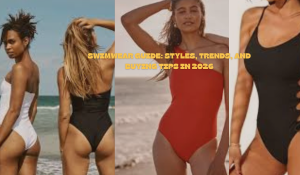
One-piece swimsuits are a timeless choice that continues to evolve with modern fashion trends. Known for their excellent coverage and support, they are ideal for both active swimming and relaxed leisure wear.
In 2026, designers are reimagining one-piece styles with bold cut-outs, asymmetrical silhouettes, and stylish mesh panels, giving this classic category a fresh and contemporary edge. These updated designs allow wearers to enjoy both elegance and trend-forward appeal.
Many one-piece swimsuits now feature advanced shaping technology, including tummy control panels and built-in bras, which enhance comfort, support, and overall fit. As a result, they are highly popular among consumers seeking a perfect balance between style, confidence, and practicality.
Bikini Styles

Bikinis are among the most versatile types of swimwear, offering the flexibility to mix and match tops and bottoms based on personal style and comfort. This adaptability makes them a popular choice for a wide range of preferences and body types.
Popular bikini styles include triangle tops, bandeau designs, and underwired options, each providing different levels of support and coverage. High-waisted bikinis continue to lead the market, as they offer enhanced coverage while creating a flattering, streamlined silhouette.
At the same time, string bikinis are making a strong comeback, particularly among younger consumers who favor minimal and trend-driven designs. Another fast-growing category is sporty bikinis, which prioritize secure fits and durability—making them ideal for activities like surfing, swimming, and beach sports.
Overall, the evolution of bikini styles reflects a broader shift toward functional fashion, where style, comfort, and performance go hand in hand.
Tankinis
Tankinis offer a perfect blend of comfort, flexibility, and modest coverage. Featuring a longer top paired with separate bottoms, they allow wearers to adjust coverage according to their personal preference without sacrificing style.
This swimwear style is especially popular among consumers who prefer a more modest look while maintaining convenience and versatility. Tankinis provide the freedom to move easily, making them suitable for both swimming and casual beachwear.
Modern tankinis are designed with practical features such as adjustable straps, removable padding, and supportive linings. These elements improve fit, enhance comfort, and make them suitable for a wide range of body types.
Additionally, tankinis are highly travel-friendly, as the separate pieces can be mixed and matched with other swimwear items—offering multiple styling options with fewer pieces.
Swim Trunks and Shorts
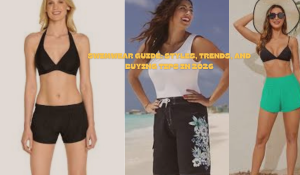
Men’s swimwear continues to prioritize functionality, comfort, and modern style. This category is largely dominated by swim trunks and board shorts, which are designed for ease of movement and all-day wear.
Typically made from lightweight, quick-drying materials, these styles are ideal for swimming, beach activities, and casual outings. In recent years, there has been a noticeable shift toward tailored fits and shorter lengths, giving traditional designs a more contemporary and fashionable appeal.
High-end swim trunks and shorts now incorporate advanced performance features such as anti-chafing linings, stretch fabrics, and improved waistband construction. These enhancements not only boost comfort but also provide better mobility and durability.
Overall, men’s swimwear is evolving to combine practicality with style, meeting the demands of modern consumers who value both performance and aesthetics.
Key Swimwear Trends in 2026
In 2026, the swimwear market is shaped by a dynamic blend of fashion innovation and growing consumer awareness. Modern buyers are not only style-conscious but also value sustainability, versatility, and functionality.
One of the leading trends is elevated minimalism. This style focuses on clean lines, solid colors, and simple silhouettes that create a timeless and sophisticated look. Neutral shades such as black, beige, and olive remain highly popular for their versatility and elegance.
At the same time, bold colors and prints continue to capture attention. Vibrant hues like neon green, coral, and cobalt blue are widely used, while tropical and geometric patterns add energy and visual appeal to swimwear collections.
Another emerging trend is the use of textured fabrics. Ribbed, crinkled, and smocked materials not only enhance visual depth but also improve comfort and fit by adapting more naturally to different body shapes.
Sustainability remains a major driving force in the industry. Many brands are now producing swimwear using recycled materials, such as nylon made from ocean waste. In addition, eco-friendly dyes and water-saving manufacturing processes are becoming increasingly important as consumers actively seek environmentally responsible options.
Finally, the rise of swim-to-street fashion is redefining how swimwear is worn. Modern designs are versatile enough to double as everyday outfits—one-piece swimsuits can function as bodysuits, while bikini tops can be paired with skirts or shorts. This trend supports a more practical, multi-purpose wardrobe and reduces the need for excess clothing.
Market Knowledge and Consumer Behaviour
The global swimwear industry is experiencing rapid growth, with market projections expected to exceed $30 billion in the coming years. This expansion is largely driven by increased travel, rising participation in water-based activities, and a growing emphasis on fashion-forward lifestyles.
Consumer preferences are increasingly shifting toward inclusivity and diversity. Brands are responding by offering extended size ranges that cater to a wider variety of body types. In addition, adaptive swimwear is emerging as a significant segment, designed to meet the needs of individuals with disabilities or limited mobility, ensuring comfort, accessibility, and confidence for all users.
Digital influence plays a crucial role in shaping purchasing decisions. Social media platforms have become powerful tools for discovering trends and setting consumer expectations. Many shoppers rely on online reviews, user-generated content, and influencer recommendations before making a purchase, highlighting the importance of a strong digital presence for swimwear brands.
How to Select the Appropriate Swimwear
Choosing the right swimwear requires careful attention to fit, functionality, and personal style. Among these, fit is the most important factor, as a well-fitting swimsuit ensures both comfort and confidence. Stretchable fabrics and adjustable straps play a key role in achieving a secure and flexible fit.
Consider Your Body Type
Swimwear style should complement different body shapes. Ruched designs and high-waisted bikinis are often flattering for curvy body types, offering both support and enhanced shape. Textured fabrics and cut-out details work well for athletic builds by adding dimension. High-cut leg styles can create the illusion of longer legs for petite individuals. For fuller busts, supportive tops with underwire or structured cups provide better lift and stability.
Focus on Fabric Quality
Fabric quality is essential for durability and performance. High-quality swimwear is designed to resist damage from chlorine and saltwater exposure. Double-lined construction helps prevent transparency while improving comfort and fit. For outdoor use, UV-protective materials are also beneficial during extended sun exposure.
Choose Colors and Patterns Wisely
Color selection can enhance personal style and visual effect. Dark shades create a slimming appearance, while bright colors offer a bold and energetic look. Patterns can be used strategically to highlight or balance body proportions.
Match Swimwear to Activity
Your choice should also depend on how you plan to use it. For swimming and active water sports, secure and supportive designs are essential. Minimal and lightweight styles are better suited for sunbathing and relaxation. For beach sports and high-movement activities, performance-focused swimwear with strong support and flexible fabric is ideal.
Conclusion
In 2026, the swimwear industry reflects a strong balance between style, performance, and sustainability. The market has become increasingly diverse, offering a wide range of options designed to meet different needs, preferences, and lifestyles. From modern one-piece swimsuits to versatile bikinis, today’s swimwear emphasizes both fashion-forward design and eco-friendly innovation.
Consumers now have more choices than ever before. When selecting swimwear, key factors such as fit, fabric quality, and functionality should be prioritized. While current trends can provide inspiration, the final decision should always be guided by comfort and confidence.
Ultimately, a well-chosen swimsuit does more than enhance appearance—it elevates the overall experience, whether at the beach, by the pool, or during travel and leisure activities.





Leave a Reply