


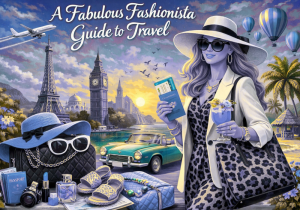
A Fabulous Fashionista Guide to Travel is your ultimate companion for exploring the world in style—without sacrificing comfort or confidence. From perfectly curated capsule wardrobes to destination-inspired outfits, this guide shows how to look effortlessly chic whether you’re strolling city streets, lounging at a beach resort, or hopping between flights. Discover smart packing tips, trend-forward travel essentials, and fashion hacks that help you transition seamlessly from day to night. Designed for modern travelers who believe style is part of the journey, this guide proves that fashion and travel aren’t separate passions—they’re the perfect pair.
Travel and fashion go hand in hand—like a perfect marriage, or even a house on fire. After all, when you invest in beautiful clothes and thoughtfully designed outfits, you want to wear them, and yes, you want to be seen.
That’s why stepping out into the world in your best looks, sharing spaces with people who appreciate craftsmanship and style, feels so rewarding. Even better, every country carries its own fashion traditions, cultural aesthetics, and unspoken style codes. Whether you’re eager to learn, express yourself more boldly, or connect with others who share your passion, the world offers endless opportunities to explore fashion through travel.
Look to Fashion Events Worldwide
Fashion weeks in Paris, Milan, London, and New York may seem like the obvious starting points—and for good reason—but there’s far more to explore beyond the traditional capitals. In recent years, Seoul Fashion Week has grown into a major global influence, while Tokyo’s street fashion scene continues to push boundaries with some of the most daring, creative, and forward-thinking designers anywhere in the world.
Exploring these alternatives can spark inspiration not only to travel farther afield, but also to discover smaller yet equally stylish cities. Copenhagen and Stockholm, for example, host their own fashion weeks, spotlighting innovative Scandinavian design that emphasizes minimalism, sustainability, and craftsmanship. These destinations prove you don’t need to limit yourself to the usual fashion hotspots to gain a rich understanding of global style.
What many people don’t realize is that fashion events are often more accessible than they appear. While headline runway shows may be invitation-only, most cities host parallel festivals, exhibitions, pop-up shops, and street fairs during fashion week. These public-facing events allow everyday fashion lovers to join in the excitement, experience emerging trends firsthand, and feel part of the global fashion conversation.
Dress for Each Climate
Dressing for a season is one thing, but learning to dress for different climates—especially when traveling through regions where weather can shift from blazing sun to sudden downpours—is a skill in itself. A fashionable skill, no less.
Mastering light layering is far more effective than relying on bulky statement pieces, particularly when moving between cities, regions, or even countries. This approach not only helps you adapt effortlessly to changing conditions, but also teaches you how to pack smarter with outfits that feel intentional and versatile. Natural fabrics such as cotton and linen breathe beautifully in warm climates, yet can still function comfortably beneath warmer layers when temperatures drop.
True style comes from choosing pieces that transition seamlessly across settings while still creating polished, confidence-boosting looks. A silk shirt, for example, can feel refined during an evening in Paris and remain cool and practical while wandering through Moroccan markets. We often associate fashion with discomfort—tight fits, rigid fabrics, and unnecessary sacrifice—but travel reshapes that mindset. The most stylish travelers understand that great fashion lies in balancing comfort and aesthetics, allowing you to look good, feel good, and fully enjoy the journey.
Learn About Traditional Garments
Local fashion often tells powerful stories about culture, history, and everyday life. Take Japan’s kimono, for example—it’s far more than formal wear, evolving with the seasons, occasions, and social context. In India, sari draping styles vary from region to region, each reflecting local heritage through distinct techniques, colors, and patterns. It’s no surprise that many of these places are home to vast markets dedicated to the fabrics and craftsmanship behind such garments.
Learning about traditional clothing also deepens our understanding of international fashion and culture. It encourages appreciation rather than appropriation, helping us avoid treating heritage garments as mere costumes. At the same time, it’s inspiring to see how contemporary designers around the world reinterpret traditional methods through a modern lens. These thoughtful blends of past and present often appear on today’s global fashion stages, reminding us that tradition and innovation can coexist beautifully.
Shopping abroad can be cheaper and better
One of the greatest perks of traveling with fashion as a true passion is that designer pieces are often less expensive in their home countries. Italian leather goods, for example, can cost less in Florence than in overseas boutiques where rarity drives up the price. The same holds for French houses: even after tourist taxes, buying in Paris can still be a bargain compared to paying domestic markups. And for many travelers, the extra step of handling tax‑refund paperwork can be worth it—non‑EU residents shopping in the EU can qualify for VAT refunds if they show the goods and paperwork to customs upon departure.
Beyond savings, local boutiques offer something money can’t always buy: discovery. Many stock designers who haven’t yet broken into the global market, so you might find a creator on the verge of fame. Those early finds can become standout pieces that set you apart from mass‑market looks and underscore your eye for quality. A little research beforehand gives you an edge—know which cities excel at Spanish leather shoes, Norwegian knitwear, or the particular craftsmanship you want for your wardrobe back home.
With some planning, shopping abroad becomes not just cheaper, but smarter and more exciting—turning each purchase into a cultural souvenir, a style statement, and a story you can wear.
Curate Your Travel Wardrobe Kit
Now it’s time to focus on the practical side of traveling with fashion in mind—comfort, versatility, and smart planning. Curating a travel wardrobe means thinking less about individual statement pieces and more about building a cohesive collection. Ideally, every item you pack should work with at least three others. Since you can’t bring everything with you, versatile pieces give you far more outfit options without overpacking.
Simple choices make a big difference. Darker colors tend to hide signs of travel wear better than lighter shades, while patterns can cleverly disguise wrinkles that appear even with careful folding. These small considerations help your outfits look polished straight out of the suitcase.
If you’re traveling for a specific occasion—such as a fashion event, wedding, or formal dinner—it can be helpful to create a separate mini wardrobe just for those pieces. While it may seem excessive, keeping special items apart from everyday travel clothes reduces stress, protects your favorite garments, and streamlines outfit planning. Better still, this approach often leaves extra space in your luggage, making it easier to bring home new finds along the way.
Plan for Luggage Storage Before Checking In
Most hotels don’t allow check-in until around 3 p.m., giving staff time to prepare rooms—but if you’re traveling with multiple bags full of carefully packed clothes, that wait can be frustrating. Planning ahead by using luggage storage services, such as those available at major transport hubs like Victoria Station, can make a huge difference. These services keep your bags secure while freeing you to enjoy the city without worry.
Storing your luggage allows you to explore comfortably, without dragging suitcases through crowded streets or risking your clothes getting crushed on public transport. It also gives you peace of mind when traveling with valuable or delicate items. Better still, this extra flexibility makes it easier to shop freely—whether that means buying an extra pair of shoes or packing more outfits than you ultimately need—without feeling weighed down during your journey.
Footwear, Footwear, and Footwear
Can fashion ever be complete without shoes? Absolutely not—and when it comes to traveling, shoes often matter more than any other piece of your wardrobe. Even the most stunning outfit loses its appeal if you’re limping from blisters or sore feet. That’s why it’s wise to buy shoes well in advance and break them in before your trip. If space allows, bringing shoe care supplies can help keep boots polished or dress shoes shining for dinners and events.
Many seasoned travelers swear by visiting a cobbler before a major journey. Checking soles, reinforcing them, or applying waterproof treatments can extend the life of your shoes and ensure they hold up to long days of walking or unpredictable weather. One last tip: knowing your shoe size across different countries’ measurements can prevent costly mistakes when shopping abroad. Properly prepared footwear means you can arrive at your destination looking stylish, fully enjoy every experience, and travel back in comfort.
Clothing Protection & Crease Management
Wrinkles and lingering odors from clothes packed in a suitcase are the perennial enemies of any traveler—fashion-focused or not. Fortunately, there are simple strategies to keep garments looking fresh. Rolling clothes instead of folding them takes up less space and helps prevent creases, while placing tissue paper between delicate items adds minimal weight but makes a noticeable difference in preserving their shape.
Portable steamers are another travel-friendly solution: inexpensive, compact, and capable of saving hours of ironing in hotel rooms. Hanging clothes in a steamy bathroom can also help, though it may not completely eliminate wrinkles. Lightweight wrinkle-release sheets offer a quick fix for emergencies, and many hotels provide dry-cleaning services if needed.
By following these tips, you can travel more conveniently and confidently, keeping your wardrobe in top condition while exploring new destinations. Above all, it ensures that your journey remains stylish, enjoyable, and full of fashion-forward fun—no matter where the world takes you.






Leave a Reply to How to Become a Fashion Model: A Beginner’s Guide – World History’s Cancel reply